A look at major policies, investments, and projects advanced by Harrisonburg City Council from 2022–2026.
Progress takes a whole city.
These projects were developed by City staff, boards, regional partners, and previous councils as well as the current Council. This page recognizes the work Council has funded, approved, and moved forward—without claiming every project began there.
The record
Work that moves Harrisonburg forward.
$2M Housing Development Fund
Housing and affordability
Council established a $2 million Housing Development Fund using ARPA resources, supporting 11 Habitat homeownership units on Suter Street and 16 affordable rental homes at Commerce Village II Annex. Council also advanced public-land strategies, housing fee waivers, SPARC homeownership assistance, and the Neff Avenue affordable-housing development agreement.
The comprehensive Zoning Ordinance Update is examining new districts and maps, housing types, lot sizes, setbacks, parking, mixed-use and infill development, home businesses, and review procedures. The work can help make rules clearer while expanding housing and economic opportunity.
Council-supported economic development efforts include the Harrisonburg Entrepreneurship Development Initiative, small-business assistance, developer incentives, Technology Park investment, and planning for opportunity in the Northeast Neighborhood.
Downtown Harrisonburg 2040 provides a community-led framework for growth, public space, housing, transportation, and redevelopment. The Liberty Street transformation pairs streetscape and mobility improvements with water-main and sewer upgrades, backed by federal RAISE funding.
Current and planned work includes North Main sidewalks and bike lanes, Safe Routes to School connections, Gay Street reconfiguration, South Main and East Market corridor improvements, pedestrian crossings, and neighborhood sidewalks.
The capital program continues to invest in water and sewer systems, stormwater planning, Blacks Run South stream restoration, and drainage analysis in the Northeast Neighborhood following major flooding.
Council dedicated $5 million in ARPA resources toward Fire Station #5 at Mt. Clinton Pike to improve emergency response coverage in northern Harrisonburg and support citywide readiness.
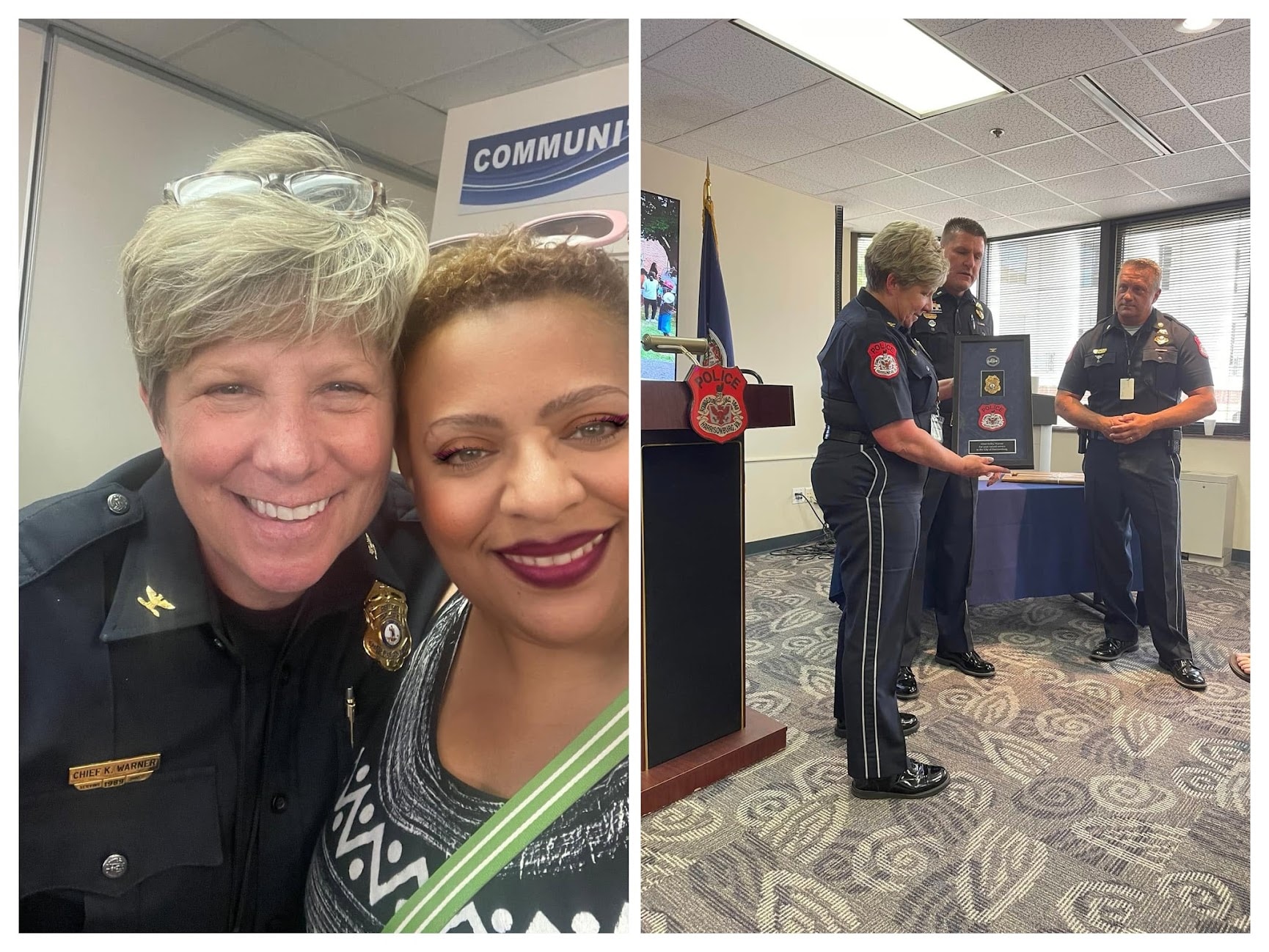
Building respectful partnerships with the public-safety professionals who serve our community.
Council advanced major recreation investments including the Purcell Park Kids Castle replacement, Ralph Sampson Park sprayground, Smithland Athletic Complex improvements, Westover Skate Park work, and a planned dome for the Westover Olympic pool.
ARPA investments supported the Harrisonburg Navigation Center, community mental-health initiatives, and childcare funds and planning—helping create practical support for neighbors and families.
Council-backed neighborhood infrastructure included paving and sidewalk work on Kelley, Simms, Myrtle, and Sterling streets. Harrisonburg also continues fare-free HB Connect service and a mobility strategy that connects people with work, school, and community.
The 2045 Vision Plan is the City's adopted long-range policy framework guiding land use, housing, transportation, economic development, parks, and public services. Built on extensive resident engagement, it provides the foundation for City Council decisions on growth, investment, and neighborhood priorities. The companion 2025–2028 Action Plan translates that vision into near-term goals and strategies.
The Harrisonburg 2045 Vision connects individual projects to an enduring framework: a harmonious community, quality City services, fiscal sustainability, housing availability, opportunity, vibrancy, and environmental resilience. Council also approved a five-year Capital Improvement Program to carry that work forward.
A shared record—and a foundation for what comes next.
Taken together, this work reflects a Council focused on housing, neighborhood investment, infrastructure, safety, opportunity, and a stronger Harrisonburg for everyone.